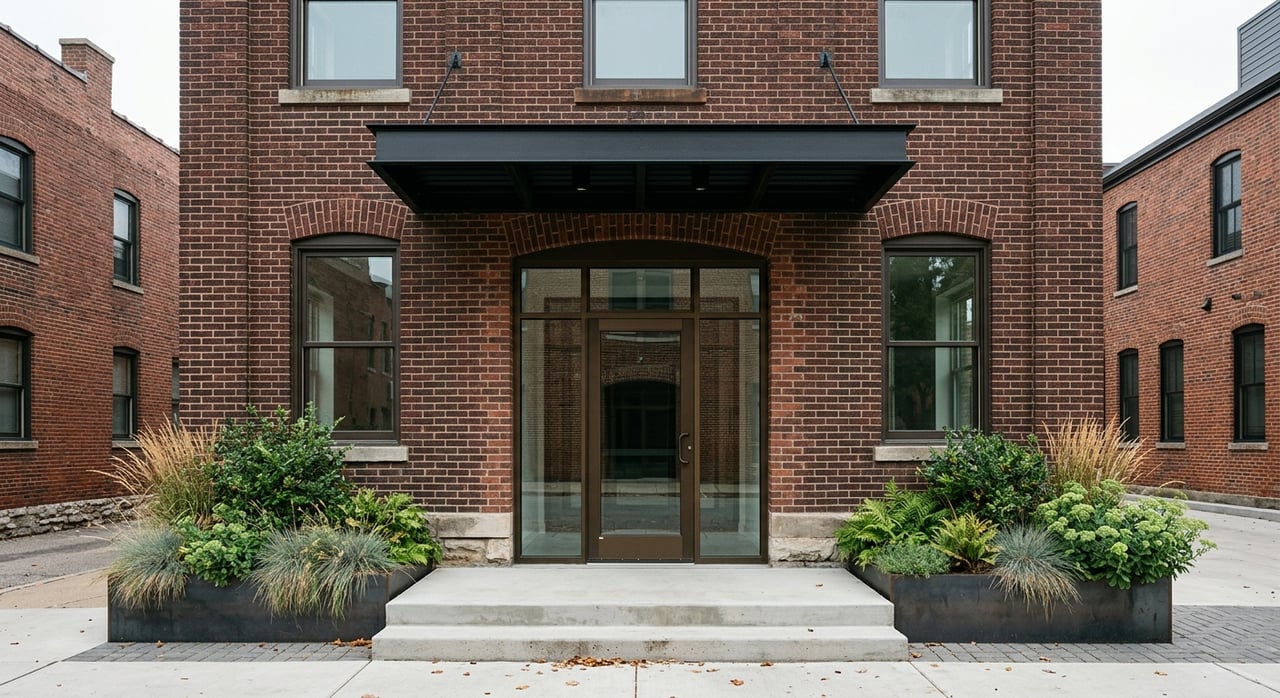
If you own a commercial building in East Nashville, getting it ready for sale or lease is about more than tidying up the façade. Buyers and tenants are looking for spaces that fit the neighborhood, work smoothly for day-to-day operations, and will not create surprises during due diligence. With the right prep, you can improve first impressions, reduce delays, and position your property more clearly in the market. Let’s dive in.
Why East Nashville prep is different
East Nashville is not being treated like a generic commercial corridor. The East Nashville Community Plan emphasizes walkable neighborhood centers, stronger corridors, and thoughtful transitions between higher-intensity areas and nearby residential blocks.
That matters when you prepare a building for the market. Features like sidewalk condition, street presence, bike access, and pedestrian-friendly frontage support how the area is planned and how people experience commercial space there.
For older buildings, character can absolutely help. But in East Nashville, character tends to perform best when it is paired with practical function and a clean compliance story.
Start with zoning and overlays
Before you market a property as office, retail, flex, or mixed-use, confirm what is actually allowed. In Nashville, a site is considered ready only if the current zoning matches the intended use, and new use requests must comply with the zoning district.
This is one of the most important early steps because it affects pricing, marketing, and deal certainty. If a buyer or tenant discovers a use issue late in the process, it can slow negotiations or stop a deal entirely.
You should also check for overlays. Metro notes that historic overlays are a form of rezoning and design review that do not change the allowed use, but they can affect exterior work and approvals.
Some East Nashville areas, including Eastdale, Eastwood, Inglewood Place, and Lockland Springs-East End, appear on Nashville’s historic district list. If your building is in or near one of these areas, exterior changes may need more review than you expect.
What to verify before listing
- Base zoning
- Any historic or design overlays
- Whether your current or target use is permitted
- Whether prior exterior changes were approved if required
Confirm use and occupancy status
A business license is not the same thing as a Metro Use and Occupancy permit. In Nashville, a change in use can trigger Use and Occupancy review, parking review, Fire Marshal review, and sometimes Health Department or Metro Water Services review.
This is where many otherwise attractive buildings run into trouble. A property can look market-ready but still have paperwork gaps that surface during diligence.
If tenant improvements were completed without being fully closed out, or if occupancy documentation is missing, expect questions from buyers, lenders, or incoming tenants. Cleaning that up before listing can save time and strengthen your negotiating position.
Common permit and occupancy issues
- Missing Use and Occupancy documentation
- Unrecorded or unpermitted tenant finish-outs
- Open permit items
- Use changes that were never fully reviewed
Review parking early
Parking can become a real issue when a building changes use. Metro states that parking requirements may need to be met for the new use unless the parcel is in an Urban Zoning Overlay.
That means a building that worked for one tenant may not work as easily for another. If you plan to market the property to a new user type, review parking now rather than after negotiations begin.
For East Nashville properties, this is especially important because many buildings sit in walkable, older commercial areas where site layouts are tight. A realistic parking story helps buyers and tenants assess the property quickly.
Clean up exterior condition and code visibility
First impressions still matter. Metro’s property standards code requires nonresidential buildings and premises to be kept in safe, clean, and sanitary condition.
The city also requires visible address numbers at least six inches tall for commercial buildings. Graffiti, trash, debris, and visual clutter should be removed before you go to market.
For older East Nashville stock, these are simple but meaningful improvements. A clean frontage, readable address, and orderly exterior can make a building feel more credible from the first drive-by.
Exterior items worth addressing
- Repair obvious exterior damage
- Remove graffiti promptly
- Clear trash, junk, and debris
- Make sure address numbers are visible and compliant
- Improve sidewalk and entry appearance where possible
Address accessibility and life safety basics
Accessibility should not be treated as an afterthought. The ADA applies to businesses regardless of building age, and existing facilities must remove architectural barriers when it is readily achievable to do so.
The 2010 ADA Standards require accessible routes in the built environment, including routes from parking and public sidewalks to entrances. Metro Fire Marshal review is also part of the commercial transition process.
For many East Nashville buildings, the goal is not a full redevelopment before sale or lease. It is to identify obvious barriers, improve what is reasonably achievable, and document what is already compliant.
Understand the code baseline for older buildings
If your property is older, do not assume its age will excuse current issues. Metro Nashville has adopted the 2024 International Building Code, the 2024 International Existing Building Code, related 2024 model codes, Tennessee’s 2023 electrical code, and the ICC A117.1 accessibility standard.
That means renovations and upgrades are reviewed against the current adopted code framework. If you are planning even modest pre-listing work, it helps to understand what could trigger broader compliance requirements.
This is one reason owner-minded preparation matters. A small project that seems cosmetic can have larger implications if it intersects with code, occupancy, or accessibility standards.
Make signage and outdoor-use plans clear
Signage can affect both leasing value and marketability. Nashville requires the appropriate zoning permit, building permit, and other applicable approvals before a sign is constructed, installed, or altered.
If the activity type changes, a Use and Occupancy permit is required before a sign permit. That sequence matters, especially if you are marketing to retail or restaurant users who care about visibility from day one.
The same goes for outdoor dining, sidewalk cafes, parklets, and other right-of-way uses. NDOT has separate permit processes for these items, so they should be evaluated early if they are part of the property story.
Position the building by asset type
The broader Nashville market provides useful context for how to present an East Nashville building. The right strategy depends on whether your property is best suited for office, retail, or flex use.
East Nashville office buildings
Nashville office vacancy remained elevated in early 2026, with reported vacancy between 17.2 percent and 18.2 percent and average asking rents around the high $38 per square foot range. In that kind of market, charm alone is usually not enough.
Smaller, move-in-ready office space is generally easier to position than space that needs major work. Buyers and tenants are likely to focus on updated HVAC and electrical systems, internet readiness, usable parking, and common areas that feel intentional.
East Nashville retail buildings
Nashville retail has been much tighter, with Colliers reporting Q1 2025 vacancy at 3.9 percent and average asking rent at $25.29 NNN. The size split matters too, with larger properties over 50,000 square feet seeing higher vacancy than smaller buildings.
For East Nashville, that supports a neighborhood-scaled approach. Smaller-format retail, service uses, and specialty operators are more realistic targets than large-format concepts.
If you own a retail building, focus on visibility, easy entry, frontage, and a walkable feel. Those qualities align with both market demand and East Nashville’s planning direction.
East Nashville flex and shallow-bay space
For flex and office-warehouse product, Nashville industrial data offers the best local comparison. Industrial vacancy was reported at 4.7 percent in Q1 2026, with asking lease rates at $11.16 NNN, and demand remained concentrated in spaces under 50,000 square feet.
That suggests East Nashville flex properties should be marketed around operational usefulness. Loading, power, ceiling height, parking, and clear circulation can matter as much as the building’s look.
If the property has character, that can be an added benefit. But the market still rewards spaces that help small businesses operate efficiently.
Consider repositioning or adaptive reuse
Some East Nashville buildings may be worth more with a clearer repositioning story. That does not always mean major redevelopment. It can mean preserving what makes the building distinctive while improving function, compliance, and leasing flexibility.
Nashville’s reuse guidance notes that reusing existing buildings reduces construction and demolition waste. The city’s historic preservation resources also identify preservation easements, the federal historic tax credit for certified historic structures, and C-PACER as potential tools in some cases.
If your property may qualify, those tools can strengthen how you present the opportunity. In East Nashville, adaptive reuse often aligns with both neighborhood expectations and practical value creation.
Watch for the issues that delay deals
In many transactions, the biggest delays are not about market demand. They come from missing documents, unresolved compliance questions, and old improvements that were never fully cleared.
The most common trouble spots include zoning or overlay issues, missing Use and Occupancy records, unpermitted tenant improvements, parking shortfalls after a use change, unfinished sign or outdoor-use permits, accessibility gaps, and visible exterior maintenance problems. These are the items worth finding before the market finds them for you.
Pre-listing checklist for East Nashville owners
- Confirm zoning and overlays
- Verify permitted use
- Gather Use and Occupancy records
- Review permit history and close open items
- Check parking against target use
- Address visible exterior maintenance issues
- Review accessible routes from parking and sidewalks
- Clarify signage and outdoor-use approvals
- Position the property based on office, retail, or flex demand
If you are preparing an East Nashville building for sale or lease, the best results usually come from balancing character with operational readiness. A polished façade helps, but the real value comes from giving buyers and tenants confidence that the building is functional, understandable, and ready for the next chapter.
That kind of preparation is where local market knowledge and owner-minded execution can make a real difference. If you want a practical strategy for positioning an East Nashville asset, NEW SOUTH COMMERCIAL can help you think through the details and bring the property to market with fewer surprises.
FAQs
What should you check before listing an East Nashville commercial building?
- You should confirm zoning, overlays, permitted use, Use and Occupancy status, permit history, parking, accessibility basics, and visible exterior condition before listing.
Why do zoning and overlays matter for East Nashville buildings?
- Zoning determines whether the intended commercial use is allowed, and overlays can add design or exterior review requirements that affect timing and property positioning.
How can parking affect an East Nashville sale or lease?
- Parking requirements may change when the use changes, so a property that worked for one tenant may face issues with another unless parking is reviewed early.
What exterior issues can hurt marketability in East Nashville?
- Graffiti, debris, poor sidewalk or entry presentation, and missing visible address numbers can weaken first impressions and raise code-related concerns.
How should you position an East Nashville building for office, retail, or flex use?
- Office space should feel move-in ready, retail space should emphasize visibility and walkability, and flex space should highlight loading, power, circulation, and operational efficiency.