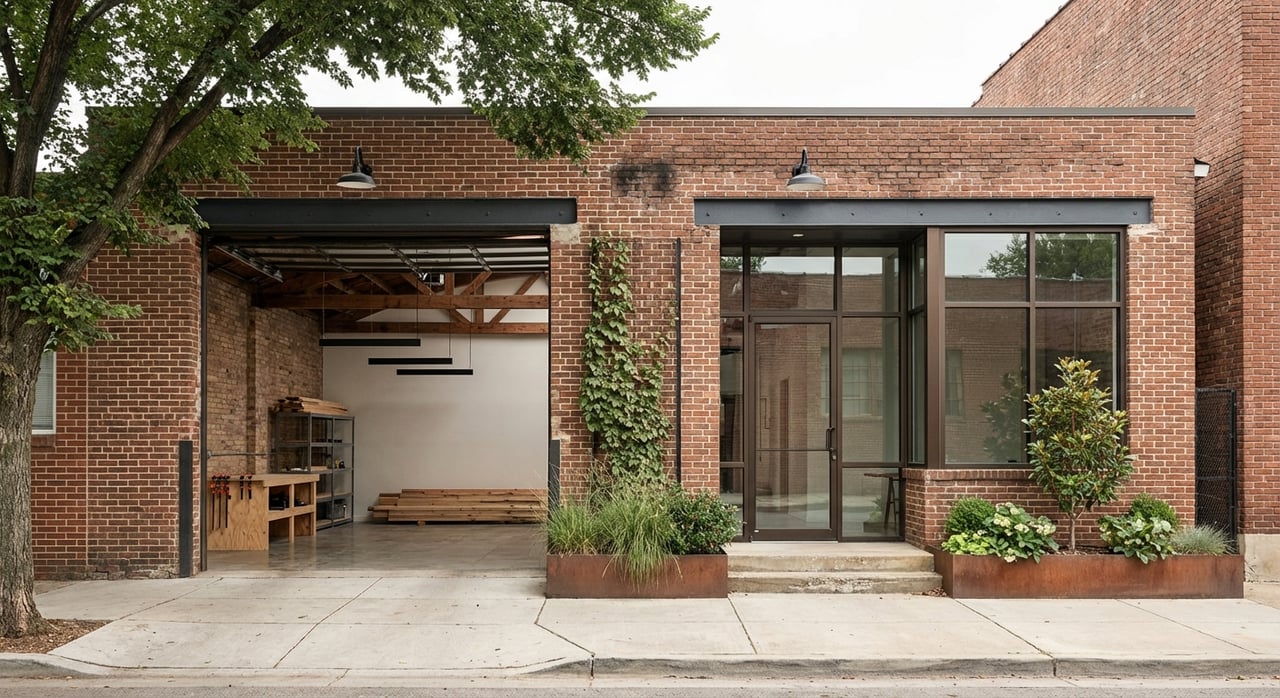
You can feel it when you walk a solid old brick building in East Nashville. The bones are there, the character is real, and the location pulls people in. If you are sizing up a conversion to studios, small maker bays, or creative offices, you want a plan that balances vision with practical steps. In this guide, you’ll learn what works in East Nashville, how to screen buildings fast, the upgrades that move the needle, and a simple way to underwrite your deal. Let’s dive in.
Why East Nashville works for creative reuse
East Nashville sits inside a metro with active office and flex demand. Recent market reports show ongoing leasing and shifting submarket dynamics that you can use as a baseline for rents and vacancy trends. You can benchmark headline asking rents and submarket conditions using the latest CBRE Nashville office figures. For small-bay and maker-friendly flex, vacancy has stayed tight nationally and in Nashville, which supports well-located conversions delivering smaller bays, as seen in Lee & Associates’ Q2 2025 flex commentary.
Local proof of concept matters too. East Nashville and nearby areas already feature adaptive reuse destinations and studio conversions that attract tenants who want authentic space with walkable amenities. The long-running success of Marathon Village shows how a mix of retail, studios, and venues can anchor a creative ecosystem. These assets help drive interest and can support higher tenant demand over time.
Target tenants to plan around
Your building’s bones and your capital plan should guide your tenant mix. In East Nashville, you can often attract:
- Creative office loft users, like design or brand agencies and small tech teams.
- Production and media studios, with needs for isolation, power, and acoustic planning.
- Light-manufacturing and artisanal makers, such as ceramics, small-batch food, or micro-fab.
- Showrooms, coworking or makerspace operators, and event/performance concepts.
These groups bring different build-out needs. Office-oriented users tend to have lighter TI, while maker users push electrical capacity, ventilation, and floor loading. Model both paths before you commit to a single strategy.
What to look for in a building
Older industrial and commercial buildings can be ideal if they have the right attributes. As you source deals, favor buildings with:
- Clear heights of 12 to 20 feet or more.
- Large open floor plates, or flexible bay layouts that subdivide well.
- Adequate floor loading for fabrication or food production.
- Existing loading docks, drive-ins, or workable curbside access.
- Good window openings and natural light that lower TI costs and boost appeal.
- Walkable or bikeable locations near East Nashville nodes like Five Points.
Preserving exposed structure, masonry, and original fenestration can keep character high and costs in check. Simple, honest materials tend to lease well in this segment.
Plan for upgrades and code triggers
Most older buildings need substantive building systems work. During early due diligence, line up budgets and timing for:
- Structural repairs and roof work. These are common cost drivers.
- Full MEP upgrades, including new electrical service. Many maker tenants need 3-phase power and higher amperage. Coordinate capacity and lead times with the utility early using Nashville Electric Service guidelines.
- Ventilation and local exhaust for workshops, welding, printmaking, or food production. Align HVAC and exhaust with the most demanding use and review OSHA ventilation guidance for safe design.
- Fire and life-safety improvements, such as sprinklers, egress, and fire separations. Code requirements depend on occupancy, area, and use; plan for mains, hydrant access, and alarm upgrades.
- Accessibility upgrades along the path of travel, including entrances, restrooms, and parking, consistent with ADA standards.
Budget a healthy contingency for unknowns, especially environmental and structural items. These can be the biggest swing factors.
Site, parking, and overlays to check early
Parking, curb cuts, and site circulation affect leasing and approvals. In walkable East Nashville nodes, lower on-site parking can work for creative office, but restaurant and event uses raise demand. Confirm requirements under base zoning and overlays with Metro’s resources on understanding the zoning code.
Overlays are common across Davidson County. Urban design and historic overlays add exterior design review and can influence demolition and façade changes. This may steer you toward rehabilitation and historic credit strategies rather than ground-up redevelopment.
Incentives and programs that help
The federal Historic Rehabilitation Tax Credit can be a game changer for eligible buildings. The 20% federal HTC applies to qualified rehabilitation expenses on certified historic properties, but you must follow the certification process and standards, and you should start coordination early.
Tennessee does not currently offer a broad state historic tax credit like some neighbors. Still, the state provides grant and brownfield programs that can offset environmental costs. The TDEC Brownfields and VOAP programs can assist with assessments, cleanup, and liability management. Engage early with TDEC Brownfields resources if your Phase I flags concerns.
Underwriting your reposition
Treat adaptive reuse like value-add development with two capex buckets: building-wide improvements and tenant improvements. Keep the model conservative and simple.
- Market rent comps. Use metro-level reports for baseline rents and vacancy, then adjust to parcel-level comps and building quality. Start with the CBRE Nashville office figures and layer in local canvassing.
- Vacancy and absorption. Lease-up pace and concessions vary by tenant type and submarket. Flex and small-bay often remain tighter, per Lee & Associates’ Q2 2025 flex commentary.
- TI and specialized capex. Separate standard office TI from maker infrastructure like ventilation and power. Get an early GC/MEP concept budget.
- TI amortization. Convert TI allowances into an annualized cost to find effective rent per lease scenario.
- Stabilized NOI and exit. Model 85 to 95 percent occupancy depending on product and comps. Test exit cap rate spreads and include reserves.
Red flags to screen fast: utility service that needs expensive off-site upgrades, significant contamination, or structural issues that push you toward reconstruction. Coordinate utilities early using NES guidelines and engage environmental resources through TDEC Brownfields.
Quick, illustrative example
This is a simple illustration, not a market quote. Assume you buy an older warehouse with solid bones and plan a creative loft and maker mix.
- Building-wide capex: $1,000,000 for roof, MEP, life safety, and site.
- TI for a creative loft tenant: $40 per square foot on a 5-year lease. TI amortization equals $8 per square foot per year, or about $0.67 per square foot per month.
- If your headline base rent is $28 per square foot, your effective rent after TI amortization drops to roughly $20 per square foot before operating expense pass-throughs.
- If the building qualifies as a certified historic structure and you undertake eligible work, a $3,000,000 qualified rehab scope could generate a 20% federal HTC of $600,000, which materially improves the pro forma when placed or syndicated correctly.
Use this framework to run sensitivities on lease term, TI level, and tenant mix. Then stress test exit cap rates and timelines.
Local examples and next steps
You can learn a lot from nearby projects. Marathon Village highlights how character, flexible bays, and mixed tenancy build a durable brand. East Nashville studio and content production conversions show the pull of small, well-configured spaces in infill locations. Community proposals and nonprofit-led creative campuses in the area also signal public appetite for preservation and creative workspaces.
A practical first 90 days:
- Confirm zoning, overlays, and permitted uses with Metro’s zoning code resources.
- Order a Phase I ESA; if flagged, plan a Phase II and contact TDEC Brownfields about assistance.
- Start utility coordination using NES service guidelines. Identify 3-phase and transformer needs.
- Get structural and MEP pre-design to set realistic budgets and life-safety paths.
- If you may pursue the federal HTC, review NPS basics and engage a historic consultant early.
- Test market demand and lease structures with local brokers. Adjust TI and concessions to match target users.
Ready to turn a solid shell into a high-performing creative asset in East Nashville? Get owner-minded, principal-led guidance from NEW SOUTH COMMERCIAL. Request a Market Consultation and we’ll help you source, underwrite, and execute the right plan for your building.
FAQs
Are there enough tenants for creative space in East Nashville?
- Metro reports show ongoing leasing activity for creative office, and small-bay flex remains tight, per CBRE’s Nashville office figures and Lee & Associates’ Q2 2025 flex commentary.
What upgrades most often surprise adaptive reuse budgets?
- Utility service increases, full MEP replacement, specialized ventilation, and life-safety work often lead costs; coordinate early with NES guidelines and review OSHA ventilation basics.
How do Nashville overlays affect exterior changes on older buildings?
- Overlays add design review and can shape what you can alter or demolish; confirm status and process with Metro’s zoning code resources.
Are federal historic tax credits worth pursuing here?
- If the building is eligible and the rehab meets the standards, the 20% federal HTC can be highly material; start SHPO/NPS coordination early.
How should I handle environmental risk before closing in East Nashville?
- Order a Phase I ESA, budget for a Phase II if needed, and contact TDEC Brownfields to explore assessment assistance and liability tools.