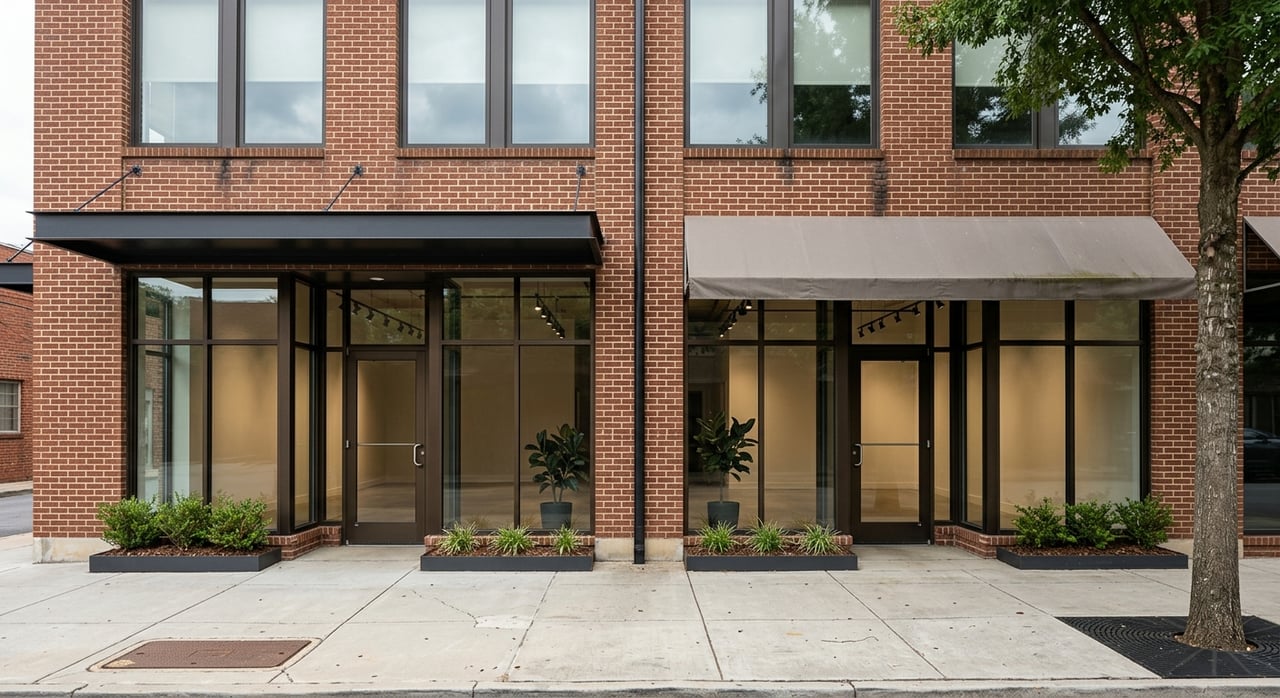
Looking for the right retail fit in East Nashville? The answer is usually not “anywhere in East Nashville.” This part of Nashville works more like a collection of distinct micro-districts and corridors, each with its own rhythm, space types, and customer patterns. If you are exploring a new concept, second location, or value-add retail play, understanding those differences can help you focus faster and avoid expensive mismatches. Let’s dive in.
East Nashville Is Not One Retail Market
East Nashville is best understood as a patchwork of submarkets, not a single unified retail district. Metro planning materials describe a mix of compact, walkable neighborhoods with access to small corner commercial areas, while historic bridges and turnpikes helped shape commercial activity along Dickerson Pike and Main Street/Gallatin Pike.
That matters because retail performance can shift block by block. A concept that feels natural in a walkable pocket like Five Points may not be the best fit for a more auto-oriented stretch of Gallatin Pike or a transitional section of Dickerson Pike.
Why Corridor Context Matters
One of the clearest planning signals in East Nashville is the Gallatin Pike Urban Design Overlay. It covers Main Street and Gallatin Pike from South 5th Street to the south side of Briley Parkway and is intended to emphasize the pedestrian environment, reduce automobile intrusion, and support economic vitality.
For retail users and investors, that creates a useful framework. Concepts that benefit from walkability, direct storefront access, and stronger street presence may be better aligned with this corridor than uses that depend only on fast drive-by traffic.
Public infrastructure also supports that long-term direction. Metro says Gallatin Pike/Main Street is scheduled to begin planning, design, engineering, and phased implementation in 2026, with sidewalks, safer crossings, bikeway connections, and transit improvements in scope.
East Nashville Spokes is also moving through review for Woodland/Union, South 5th, and South 10th. Over time, improvements like these can shape foot traffic, comfort, and how long people stay in a district.
Five Points Works for Destination Retail
Five Points remains the clearest example of East Nashville’s destination-oriented core. Its mix of restaurants, bars, coffee, games, boutique retail, pizza, and upscale dining points to a district where co-tenancy does a lot of the work.
In practical terms, this pocket tends to reward concepts that benefit from people lingering, browsing, and making multiple stops in one visit. If your retail model depends on discovery, repeat visits, and neighbor-to-neighbor traffic, Five Points fits that pattern better than a convenience-only concept.
The draw here is not just one storefront. It is the way nearby tenants reinforce each other across different dayparts, from morning coffee to evening dining and shopping.
Fatherland District Fits Small Independents
The Fatherland District is one of the strongest examples of small-format independent retail in East Nashville. The tenant mix includes clothing, vintage, gifts, jewelry, body care, tea and coffee, vinyl records, and other niche goods across a compact cluster of shop spaces.
This kind of environment tends to suit specialty concepts that can thrive in smaller footprints. It also supports businesses that rely on curated merchandise, brand personality, and the browsing behavior that comes with a walkable, multi-stop visit.
For tenants, the key lesson is format discipline. If your concept can work efficiently in a smaller storefront and gains value from being near complementary independent businesses, this district offers a strong model.
Porter East Supports Errands and Browsing
Porter East has a different kind of appeal. With more than a dozen businesses in one shopping center, including a bakeshop, neighborhood grocery, gifts, kids’ goods, vintage clothing, and accessories, it functions more like a compact neighborhood-serving center.
That tenant mix supports a one-stop-shopping profile. People may come for one errand, then stay to browse, grab a food item, or pick up a gift.
For retail concepts, that creates a useful middle ground between pure destination retail and pure convenience retail. It can be a strong fit for uses that benefit from casual cross-shopping and repeat neighborhood traffic.
Riverside Village Rewards Neighborhood Use
Riverside Village has a more neighborhood-centric identity, with a strong food-and-beverage presence and a live mix of service-oriented tenants. Current uses in and around the area include restaurants, a compounding pharmacy, an aesthetician, a gas station, and nearby floral retail activity.
That mix suggests a district where daypart-driven food concepts and neighborhood services can work well. People are not only showing up for a single big-box errand. They are engaging with a small, walkable cluster that supports recurring visits.
The built form also matters here. A documented redevelopment example in Riverside Village includes a 10,000-square-foot, single-story building with an anchor restaurant and eight smaller retail spaces, which reflects a common East Nashville format: small, walkable multi-tenant buildings instead of large strip centers.
Gallatin Pike Can Handle Bigger Concepts
As you move into Inglewood and the wider Gallatin Pike corridor, East Nashville starts to feel less like a village center and more like a growth corridor. That shift opens the door for larger-footprint concepts that still want neighborhood visibility.
Recent examples support that view. Nashville Scene reported that M.L.Rose opened in a 12,500-square-foot building at 3701 Gallatin Pike, with Club Pilates already in the building and additional restaurant tenants planned. That is a very different use pattern from a tiny boutique storefront in Fatherland.
This corridor may be a better fit for restaurant, beverage, wellness, and service uses that need visibility, parking, or the ability to share larger multi-tenant space. It can also make sense for second-location concepts that want East Nashville access without depending entirely on a hyper-compact district format.
Hybrid Retail Is Gaining Traction
One of the more useful examples on Gallatin Pike is Lost and Found at 3104 Gallatin Pike. The project combines food trucks, a wine shop, retail space, a food court, a craft cocktail bar, covered patio seating, a rooftop deck, and room for pop-up markets.
That kind of setup shows that East Nashville can support hybrid concepts that blend retail, hospitality, and gathering space. For operators and investors, it is a reminder that the strongest concept is not always the most traditional one.
If your business model benefits from events, outdoor seating, flexible programming, or multiple revenue streams, this corridor may offer the right kind of room and visibility.
Dickerson Pike Is a Value-Add Play
Dickerson Pike tells a different story. Metro’s corridor studies describe strong potential for new investment, while also noting underdevelopment compared with other major pikes into downtown and the presence of older strip retail centers with vacant suites and deferred conditions.
That makes Dickerson less of a polished retail street today and more of a transitional corridor with repositioning potential. For investors, this is where the value-add conversation becomes more relevant than the search for stabilized, plug-and-play boutique space.
Metro’s planning direction also calls for thriving neighborhood centers and local services along the corridor. That points to future opportunity for mixed-use, service retail, and neighborhood-serving concepts as redevelopment and infrastructure move forward.
Space Type Often Decides Fit
One of the biggest takeaways from East Nashville’s planning documents is that there is no single retail prototype here. The area includes everything from offices in converted houses to civic uses and retail spaces in a variety of sizes.
That flexibility is part of the opportunity, but it also raises the bar on site selection. In East Nashville, success often comes from matching the concept to the right format instead of forcing the concept into the wrong shell.
Here is a simple way to think about it:
| Area or Format | Best Concept Fit |
|---|---|
| Five Points | Destination retail, food and beverage, concepts that benefit from dwell time |
| Fatherland District | Small-format boutiques, specialty goods, personal-service concepts |
| Porter East | Neighborhood-serving retail, gifting, errands, casual browsing |
| Riverside Village | Food and beverage, recurring service retail, walkable neighborhood uses |
| Gallatin Pike | Larger-footprint restaurant, beverage, wellness, hybrid retail concepts |
| Dickerson Pike | Value-add, repositioning, mixed-use, future neighborhood-center plays |
What Thrives Best in East Nashville
Across these submarkets, the strongest pattern is not size alone. It is whether a concept feels local, layered, and compatible with the way people actually use the district.
East Nashville’s best retail pockets function more like micro-districts than conventional shopping centers. Coffee, gifts, boutique retail, restaurants, bars, and personal services reinforce each other and extend visits across the day.
That means concepts often perform best when they can benefit from one or more of these traits:
- Walkable co-tenancy
- Repeat neighborhood traffic
- Browsing and discovery
- Smaller or irregular footprints
- Patio, gathering, or event potential
- A strong local brand identity
On the other hand, concepts that rely mostly on generic strip-center traffic may need a more corridor-specific strategy, especially along Gallatin Pike or in transitional parts of Dickerson Pike.
How to Evaluate an East Nashville Opportunity
Before you commit to a site, it helps to look beyond the headline location. “East Nashville” can sound like a single answer, but the real question is which district, what format, and what neighboring uses support your model.
A practical evaluation should include:
- The trade pattern of the immediate corridor or micro-district
- The existing co-tenancy mix
- Whether the concept depends on walk-in traffic, destination visits, or convenience stops
- The space format, including size, layout, and visibility
- How current and planned public improvements may affect access and foot traffic over time
That kind of discipline matters for both occupiers and investors. The right block and the right building type can matter as much as the neighborhood name.
If you are considering a retail lease, acquisition, or repositioning strategy in East Nashville, working with a principal-led advisor can help you cut through broad narratives and focus on the submarket realities that actually drive performance. To talk through current opportunities in East Nashville, connect with NEW SOUTH COMMERCIAL.
FAQs
What types of retail concepts work best in Five Points East Nashville?
- Five Points tends to fit destination-oriented concepts that benefit from co-tenancy, dwell time, and multi-stop visits, including boutique retail, food and beverage, and other experience-driven uses.
What kind of retail space is common in the Fatherland District?
- The Fatherland District is known for small-format storefronts that suit independent retailers, specialty goods, and curated service uses.
Is Gallatin Pike a good fit for larger retail concepts in East Nashville?
- Yes. The Gallatin Pike corridor shows examples of larger multi-tenant buildings and uses that can support restaurant, wellness, beverage, and hybrid retail concepts with visibility and parking.
What makes Riverside Village different from other East Nashville retail pockets?
- Riverside Village has a more neighborhood-centric feel, with food and beverage, recurring service uses, and small walkable multi-tenant buildings rather than a large shopping-center format.
Is Dickerson Pike more of a redevelopment opportunity than a stabilized retail district?
- In many cases, yes. Metro planning studies describe Dickerson Pike as a corridor with underdeveloped sites, older strip centers, and future neighborhood-center potential, which makes it more of a value-add and repositioning story today.
How should you choose a retail site in East Nashville?
- The best approach is to match your concept to the specific submarket, co-tenancy pattern, and space format rather than treating East Nashville as one uniform retail market.